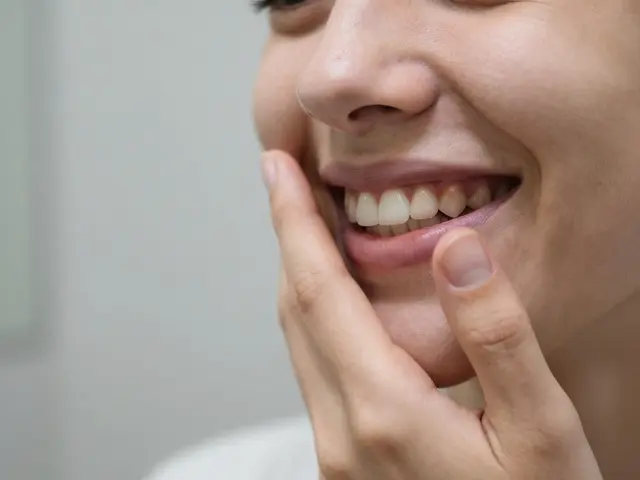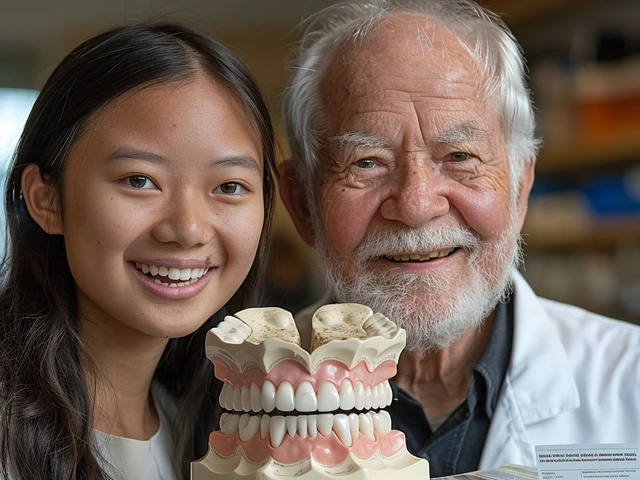

When you smile, you’re not just showing teeth—you’re sending a message. sociální interakce, vzájemné komunikace mezi lidmi, které ovlivňují naše chování, sebevědomí a i zdraví. Also known as lidské styky, they shape how we feel about our own appearance, including our teeth. If you’re ashamed of your smile, you’ll avoid eye contact, hold back laughter, or even skip dental visits. And that’s not just emotional—it’s physical. Avoiding the dentist because you’re embarrassed about your teeth? That’s a real, documented pattern. People with low self-esteem about their smile delay checkups longer, let plaque build up, and end up with worse outcomes—all because of how they think others see them.
ústní hygiena, systém pravidelných návyků, které udržují zuby a dásně zdravé isn’t just about brushing twice a day. It’s tied to your daily routines, your social circle, and even your job. Think about it: if you work in customer service or sales, you’re more likely to care about your smile. You brush more, floss more, and go to the dentist sooner. On the flip side, if you’re isolated, stressed, or feel invisible, oral hygiene often drops to the bottom of the list. And it’s not just you—studies show people in supportive relationships maintain better oral health. Partners remind each other to brush. Friends joke about coffee stains and go for cleanings together. Kids mimic their parents’ habits. Your social environment isn’t just background noise—it’s a silent coach for your teeth.
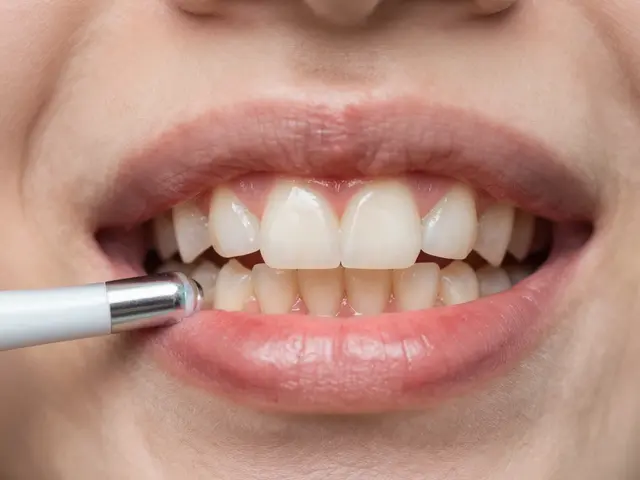
sebevědomí, vnitřní pocit důstojnosti a přijetí vlastního vzhledu directly impacts whether you’ll speak up at the dentist’s office. Do you ask about payment plans? Do you say no to a treatment you’re not sure about? Or do you just nod along because you don’t want to seem difficult? Your confidence affects every decision—from choosing a toothbrush to scheduling a cleaning. And it’s not about having perfect teeth. It’s about feeling like your smile is worth caring for. That’s why even simple things like whitening or fixing a chipped tooth can change your life: not because they’re perfect, but because they help you feel like you belong.
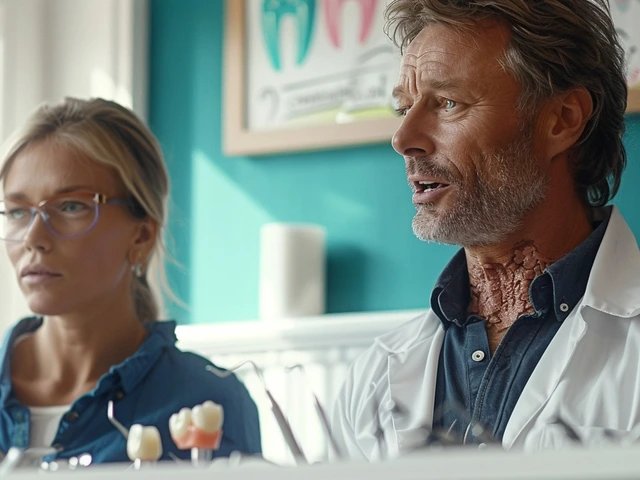
And then there’s the zubní lékař, odborník, který nejen léčí zuby, ale také poskytuje bezpečný prostor pro otevřenou komunikaci. The best dentists don’t just fix cavities—they listen. They notice when you avoid looking in the mirror. They don’t judge when you admit you haven’t been in for years. They make you feel like your smile matters, not because it’s flawless, but because you matter. That’s the kind of relationship that turns fear into action.
What you’ll find below aren’t just guides on cleaning teeth or fixing implants. These are stories about real people—how a missing tooth made them stop talking at work, how a simple cleaning gave someone the courage to go on a date, how a child’s first dental visit changed their whole family’s habits. This isn’t about perfect smiles. It’s about how we connect—with others, with ourselves, and with the simple act of opening our mouths without shame.
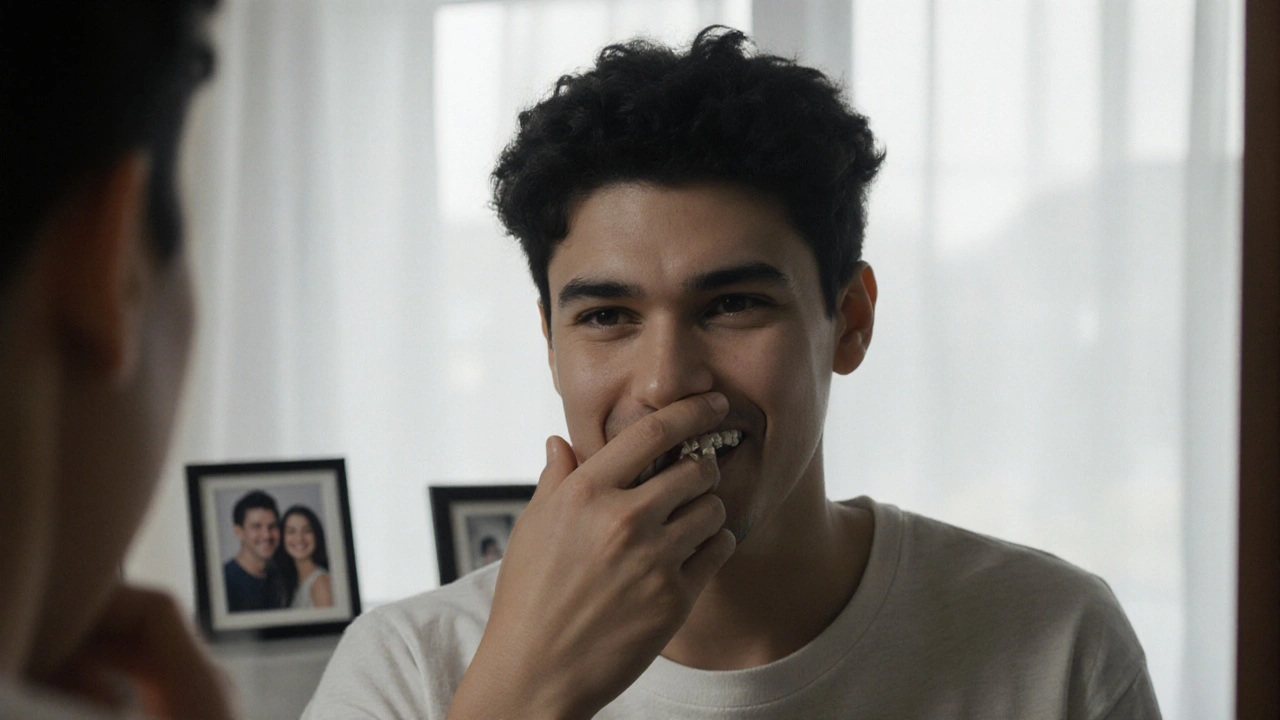
Fixní rovnátka ovlivňují vaše vztahy nejen tím, jak vypadáte, ale tím, jak se k sobě chováte. Zjistěte, jak se mění sebevědomí, polibky a důvěra během ortodontické léčby.