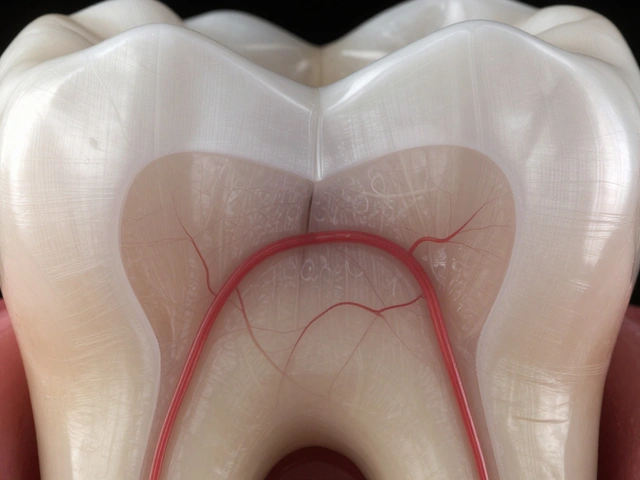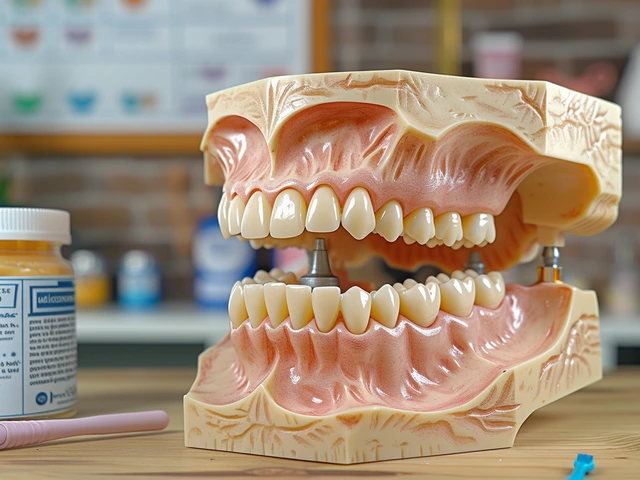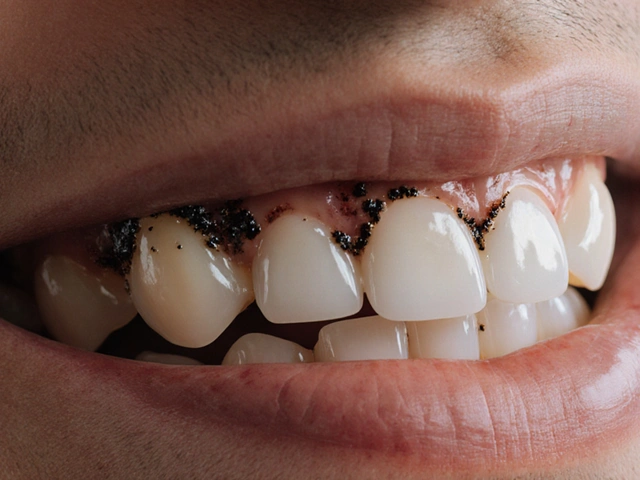

When you get your teeth broušení, proces, při kterém zubní lékař odstraní plak, kámen a povrchové skvrny pomocí speciálních nástrojů. Also known as odstranění zubního kamene, it is a routine but sometimes surprising step for your oral health. Many people expect it to be painless—and then wonder why their teeth feel sensitive afterward. That’s normal. But how you handle the next 24 to 72 hours makes all the difference between quick recovery and days of discomfort.
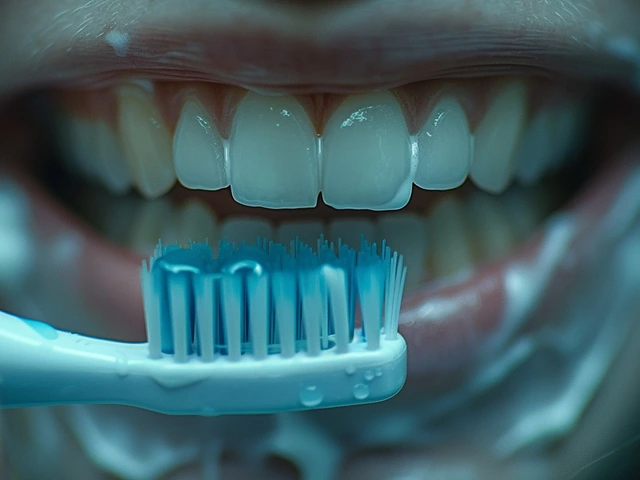
After broušení, your teeth are exposed. The protective layer of plaque and tartar is gone, and the enamel is temporarily more vulnerable. That’s why you might feel cold, sweet, or even air on your teeth. It’s not damage—it’s just your mouth adjusting. The same thing happens after a professional cleaning at the dentist. The key isn’t to avoid it, but to manage it right. Use a soft-bristled toothbrush. Avoid whitening toothpaste for a few days. Stick to lukewarm drinks. And don’t brush too hard—even if it feels like you need to scrub away the feeling. You’re not cleaning anymore, you’re healing.
What you eat matters too. Skip acidic foods like citrus, vinegar, or soda—they’ll sting. Avoid very hot or icy meals. Soft foods like mashed potatoes, yogurt, or oatmeal are your friends. If your gums are swollen or bleeding slightly, rinse with salt water. Just one teaspoon in a glass of warm water, twice a day. It’s simple, cheap, and actually works. And if you wear braces or have implants, don’t assume broušení won’t affect you. It does. The same rules apply. Your gums need time to settle after any kind of mechanical cleaning.
Some people think if their teeth don’t hurt right away, they’re fine. That’s a mistake. Sensitivity often peaks 12 to 24 hours after the procedure. That’s why you should plan ahead. If you know you’re getting broušení, don’t schedule it right before a big event or a trip. Give yourself a buffer. Most people feel normal again in two to three days. But if the pain lasts longer than a week, or if you get swelling, fever, or pus—you’re not just sensitive, you might have an infection. That’s when you call your dentist, not wait it out.
And here’s something no one tells you: broušení isn’t a one-time fix. It’s a reminder. If you need it often, your daily routine isn’t cutting it. Maybe you’re not using dental floss. Maybe you’re brushing too hard. Maybe you’re skipping checkups. The real healing doesn’t start after the procedure—it starts with what you do tomorrow. And the next day. And the day after that.
In this collection, you’ll find real advice from people who’ve been through it. How to choose the right toothpaste after broušení. What to do if your gums bleed for days. Why some people feel fine and others don’t. And how to stop the cycle so you don’t need broušení every six months. These aren’t theory pages. These are practical, no-fluff guides from real patients and dentists who’ve seen it all.
Po broušení zubů můžete zažít citlivost, bolest nebo pocit volných zubů. To je normální a dočasné. Zjistěte, co dělat, aby se zotavení zrychlilo a jak předcházet komplikacím.